Category

Dental Guides

does invisalign hurt

Does Invisalign Hurt?

By | Dental Guides | No Comments
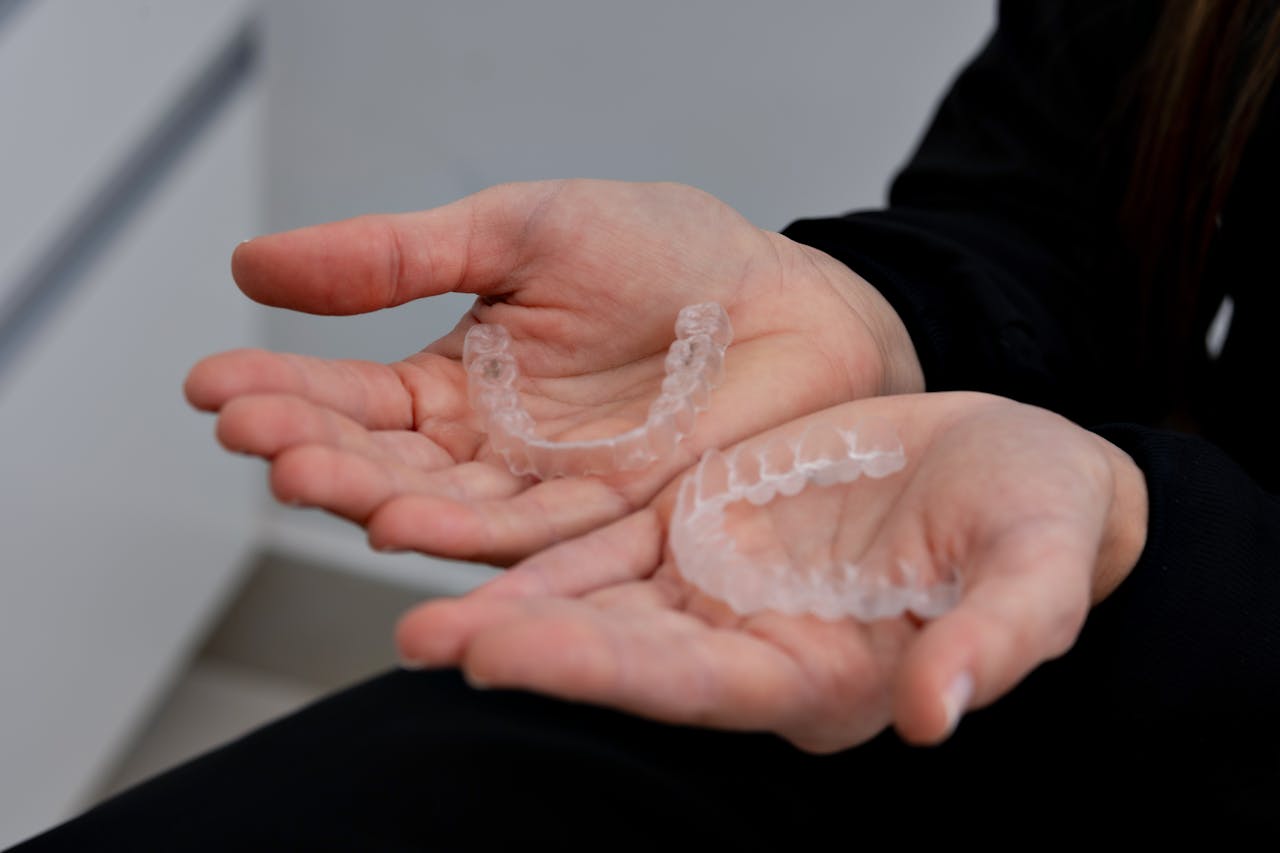
No, Invisalign is minimally invasive and patients say that they experience considerably low pain and the trays are designed to be more comfortable than traditional metal braces.  Each time a new tray is fitted, you may experience some pressure, but this usually subsides in a few hours.  The edge of the tray can sometimes be a bit sharp which could scratch your gums or cheeks, but this is easily fixed with a nail file.

What is Invisalign and Why Is It Popular?

Invisalign is a type of invisible braces, allowing you to wear trays for 6-18 months and finish your treatment with perfectly straight teeth. This form of orthodontics is incredibly popular.

Does Getting Invisalign Aligners Hurt?

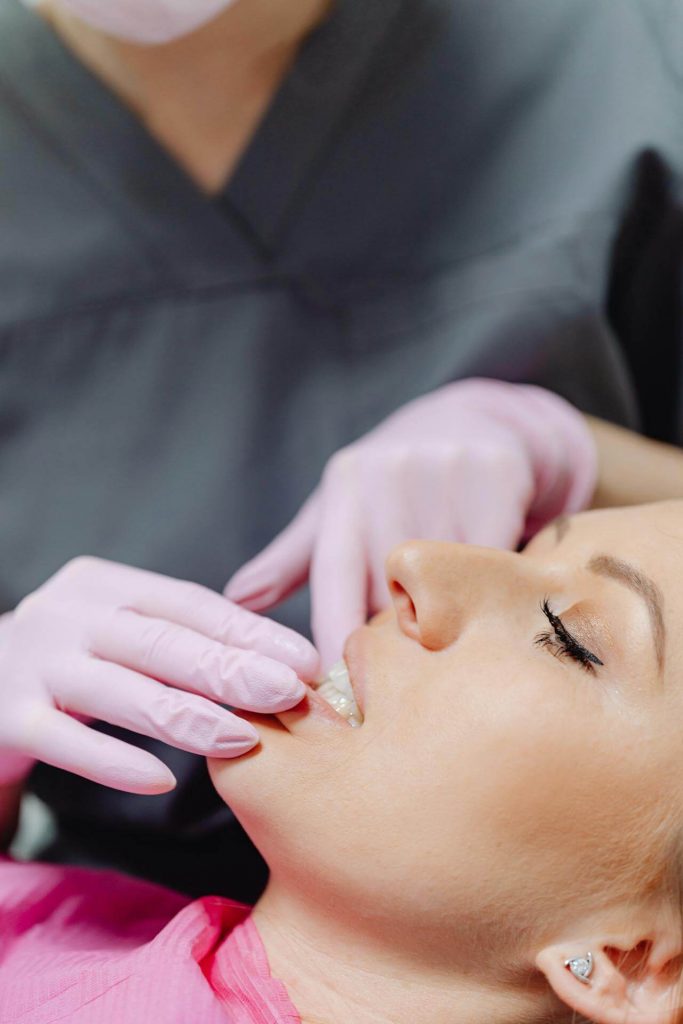
No, getting Invisalign does not hurt at all.  The process is very easy and painfree.  You will have a set of photos of your teeth taken, with retractors that hold your lips and cheeks out the way.  We will then carry out a scan of your teeth with our intraoral scanner which has six cameras on it and a light.
This takes an extremely detailed scan of your teeth which is sent to Invisalign with the photos.  The photos and scan are input into the Invisalign portal, and using the Invisalign algorithm a computerised version of your teeth is created.  Using this, a Clincheck is produced that will show the final result we will aim to achieve.  This will show the number of aligners required and if any attachments or filing is needed.
does invisalign hurt when trays are changed
Invisalign is designed to be minimally invasive and whilst it may take getting used to, is essentially pain-free

Does It Hurt When I Start My Invisalign Treatment?

No, it does not hurt when you start the treatment.  When the attachments are fitted, the teeth need to be kept dry. No drilling is needed, instead we use a special air and powder to clean the surface of the teeth, to allow the attachment to stick and stay there until the end of the treatment.  The filing, or interproximal reduction, is not painful, instead patients report it feeling uncomfortable and extremely tolerable.

Does Invisalign Hurt When My Trays Are Changed?

No, Invisalign does not hurt when the trays are changed, but you may experience a slight pressure on the teeth but this does not last long.  Each time the tray is changed you may have a slight pressure on the teeth.  The trays are usually changed every week, 10 days, or two weeks, depending on your individual treatment plan.  Patients tell us after a few weeks they don’t notice any issues and the pressure feeling is exciting as it means the treatment is working and the teeth are moving!

What Should I Do If My Invisalign Braces Hurt?

The first thing to do is not to panic, if they hurt a little, it means they are doing what they are supposed to do.  Give the aligners some time to settle and the pain should subside.  You can always try taking some paracetamol if it is not tolerable.  A soft diet should also help. If it is really painful, speak to your dentist about your concerns, and they should be able to check if this is normal.

How to take the best care of your teeth

By | Dental Guides | No Comments

Everyone wants to have the best smile they can possibly have to feel as confident and healthy as possible. For those who want to take care of their teeth the best they can, we have made a checklist of everything you should be practising in order to gain and/or maintain your perfect smile!

Brush your teeth twice a day

brushing-teethSomething you have probably been taught about from a very young age is to brush your teeth at least twice a day. Normally, this will be in the morning and before you go to sleep at night. You should aim to brush your teeth for around 2 minutes in order to make sure they are kept as healthy as possible.
It is preferable that you brush your teeth with a fluoride-based toothpaste. Exposure to fluoride will stop acid on your teeth from penetrating through and causes holes which are known as cavities.

Brushing your teeth stops plaque from building up. Plaque is a film of bacteria which coats your teeth and contributes towards developing a gum disease or general tooth decay.

Use an electric toothbrush

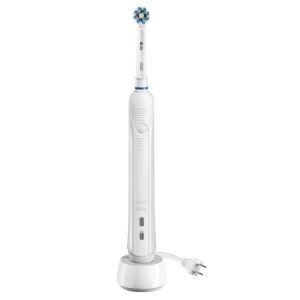
electric-toothbrushAlthough using a manual toothbrush does the job, many professionals suggest that for taking the best care of your teeth, you should aim to use an electric toothbrush.
With that being said, it is not always about the toothbrush but about how you use it. There is no point investing in an electric toothbrush if you do not follow other advice on how to best look after your teeth.

You can get electric toothbrushes which come with extra things like an app to compliment your tooth brushing routine. Check out the Oral B Genius 9000. It comes with a downloadable app which links to your toothbrush via Bluetooth and creates reports on your brushing habits and keeps you up to date about things like changing your toothbrush head.

Floss between your teeth

flossingA task many people begrudge, but it is a very important step in maintaining the health of your mouth and teeth.
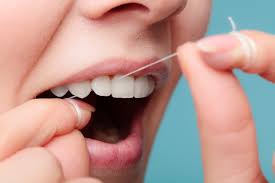
Aim to use floss or an interdental brush each day in order to remove food, debris and plaque that may be lodged in between your teeth.

You should not be too aggressive when you floss as you risk harming your gums by doing this and causing bleeding. It is important to note that when you first start flossing, your gums may be tender and you may see bleeding, but this is normal if you have only just started your flossing journey. That being said, if you see regular bleeding after a few days, you will need to see a dentist just to make sure everything is in order and that you are flossing correctly.

To use dental flood, take around 12-18 inches/ 30-45cm of floss and grasp it so you have a few inches of floss taut between each hand. Then you can slip the floss between the teeth as far as it will comfortably go down. Floss with around 8 to 10 stroke in an up and down motion between each tooth to successfully dislodge any plaque.

Using Mouthwash

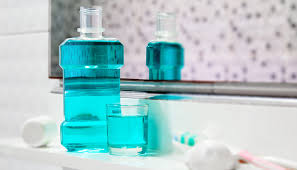
mouthwashMouthwash is a great addition to your oral hygiene routine and can be effective for combating bad breath. However, there is a right way to use it so as to not harm your teeth. Mouthwash contains fluoride which, as discussed, can help to prevent tooth decay and cavities. But, you should not use mouthwash straight after you have brushed your teeth, contrary to popular belief. If you use mouth wash straight away after brushing your teeth, it will wash away the concentrated fluoride on your teeth which was left by the toothpaste you used.

Opt to use a mouthwash at different points throughout the day rather than alongside your tooth brushing and your flossing. You should also not eat or drink anything for around 30 minutes after using a mouthwash.

Cut down on sugar and other lifestyle habits

fizzy-drinksHaving a healthy lifestyle in general will be reflected in the quality of your teeth. Consuming lots of sugar and things like smoking and binge drinking can really affect the health and look of your teeth.
If you really want a perfect smile, you should aim to cut down on sugar and alcohol and try to give up smoking altogether. These will also further the rest of your bodies health, promoting a healthy lifestyle.

Visit your dentist regularly

practice-4Regular check-ups with your dentist are essential to maintaining the quality of your teeth and gums. Do not put off visiting the dentist because you think there is nothing wrong or actively ignore any issues you may be facing such as bleeding gum, this could be an indicator of gum disease.

A dental check-up allows for your dentist to see if you have dental problems and helps you to keep your mouth as healthy as possible. They may also suggest orthodontic treatment if they believe you could benefit from it.

If problems are not treated in their initial stages, correcting them later down the line may prove a lot more difficult, time-consuming and far more expensive.

It is advised by most dentists that you get a check-up based on your oral health, but you should never go longer than two years without seeing a dentist. Nevertheless, the time between check-ups can vary from three months to two years.

How Affordable Dental Implants Can Ease Your Pain

By | Dental Guides | No Comments

When you’re faced with replacing a single tooth or even a whole set, the cost of good quality, natural looking replacements can start to rise. However, the cost of professional dental work is more affordable than ever with dental implants now a popular and long-term treatment.

Cosmetic treatment

The pain of losing one or more teeth through injury or dental disease can be tough to beat. But it can be painful mentally as well. Where once you had a great, full smile, you now have unsightly gaps and a mouth in need of a lot of dentistry to put right. It can take its toll on your health too, affecting your ability to eat a balanced and nutritional diet.

Dental work in all its guises can be costly depending on what you want, or what you need, to have done. Everything from a standard filling to full root canal work can come at a cost. But cosmetic dental treatment and the finished work will be on show for all to see, so getting the work done professionally – and done right – is worth paying for.

Additional expense

However, despite dentistry being more affordable overall, dental implants can still be a high-cost treatment. There’s no getting away from that and you should be aware of all the costs before you start your procedures. A current trend for many is to look to other countries for certain procedures. Many European countries offer cheaper, more affordable methods which look like a far more attractive option, but can come with additional cost and potential problems.

No dental implant procedure is a one-off. It can take three or four return trips abroad over the course of as many months to fully complete the work. So while Europe may offer cheaper treatment, there are other costs to consider that all add up. Think return flights and hotel accommodation as well having time off work that may go beyond your holiday allowance. Importantly dentists abroad are not regulated by the General Dental Council, so if something should go wrong there is no recourse in the UK

Once your treatment is complete, there’s also the issue of aftercare. Even if your overseas dental implants were a success, over time, regular maintenance or repairs might be needed and many dentists won’t treat work carried out by another, especially from different countries. If this were the case, you’d have to return to the dentist who did the procedure and, you guessed it – that means more flights, more accommodation and more money.

Spread the cost

As a practice of Exeter dentists, Life Dental and Wellbeing are committed to helping local people afford the dental care they need and that includes dental implants and their aftercare. Good dental health is something that shouldn’t be overlooked and we aim to make it more accessible than ever for you to have the necessary work you need carried out as soon as possible.

As you know, specialist dental work can be expensive which is why we offer all our patients interest free credit for treatments over £600. This way, you get the treatment and essential aftercare you need, but are able to spread the overall cost over an agreed period. It all adds up to an easier, pain-free and more affordable financial outlay that fits with your budget.

Interest free affordability

So how does it work? Well, just like any other credit agreement. Anyone wanting to apply for our interest free credit should be over 18, but you don’t necessarily need to be a regular patient with us. We offer finance on any procedures over £600 up to £20,000, so you can have the repair work you need with an Exeter dentist without the worry of a hefty bill at the end of your treatment.

You’ll always get a full breakdown of your treatment and costs after consultations with your dentist so you know exactly what you’ll get and how much it will cost. When you’re happy, we’ll get your loan application completed. After its approval, you’ll receive written confirmation and we can start your treatment immediately.

Also, interest free means exactly that. There’s no deposit, so paying off your loan over the course of 12 months means you only pay for the cost of your treatment in agreed monthly payments. We also offer payment terms over 12 months, but please speak to us for more details on this if it might be an option for you.

What next?

Though not the cheapest option, dental implants can be a much more cost effective treatment in the long term. They’ll give you a fixed, good-looking, natural smile that should only need regular check-ups just like anyone else. And being affordable through our interest free credit is the icing on the cake!

For more information visit us at www.lifedentalandwellbeing.co.uk